By Richard Duquette — Director of Photography & Production Manager, Films.Solutions
The Fugitive: Behind the Scenes in Canada
Why this shoot mattered
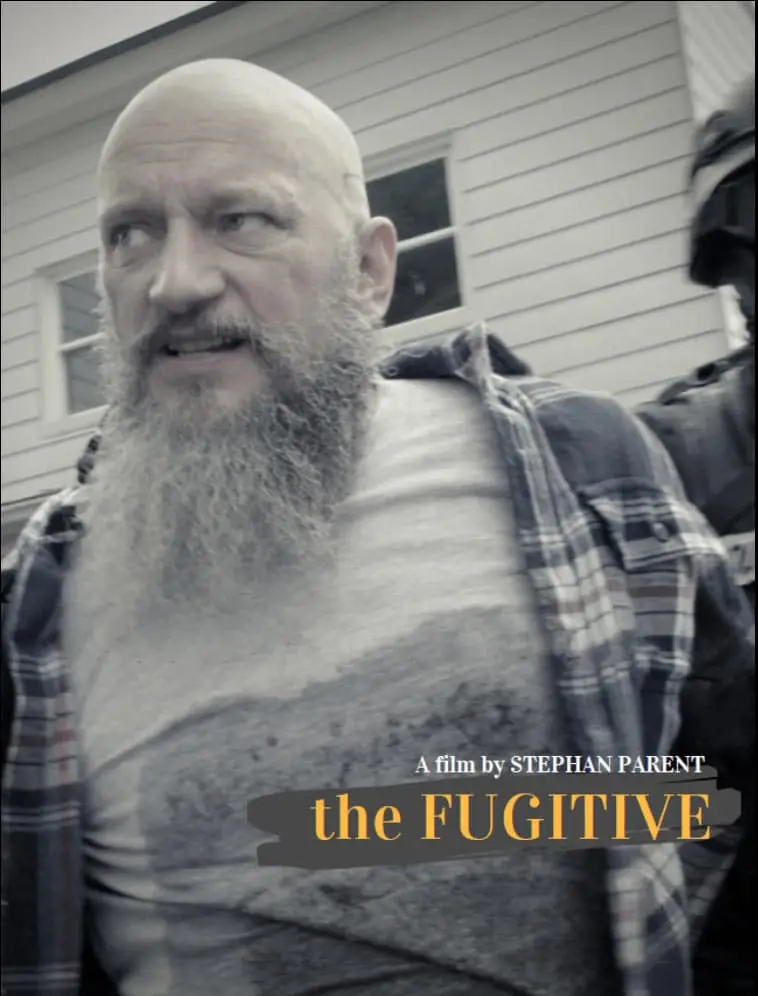
When director Stéphane Parent, well-known in Quebec for his cold-case work and action-oriented police films, approached me about The Fugitive, I knew this would not be a glossy crime drama. It was meant to feel lived-in, documentary-real, and rooted in true events. My role was twofold: as DOP, to craft a tense, cinematic look; and as Production Manager, to ensure that permits, vehicles, props, and crew logistics ran without error.
We had just one chance. The main location—an old farmhouse south of Montréal—was days away from demolition. No second takes, no reshoots. Everything had to work in sync.
The location and its stakes
We filmed at a two-storey family home built around 1920. Its wide balcony and tall trees gave the kind of atmosphere you can’t fabricate on a backlot. But time was against us: developers were preparing to tear it down to make way for apartments. That made the shoot urgent and heightened every decision.
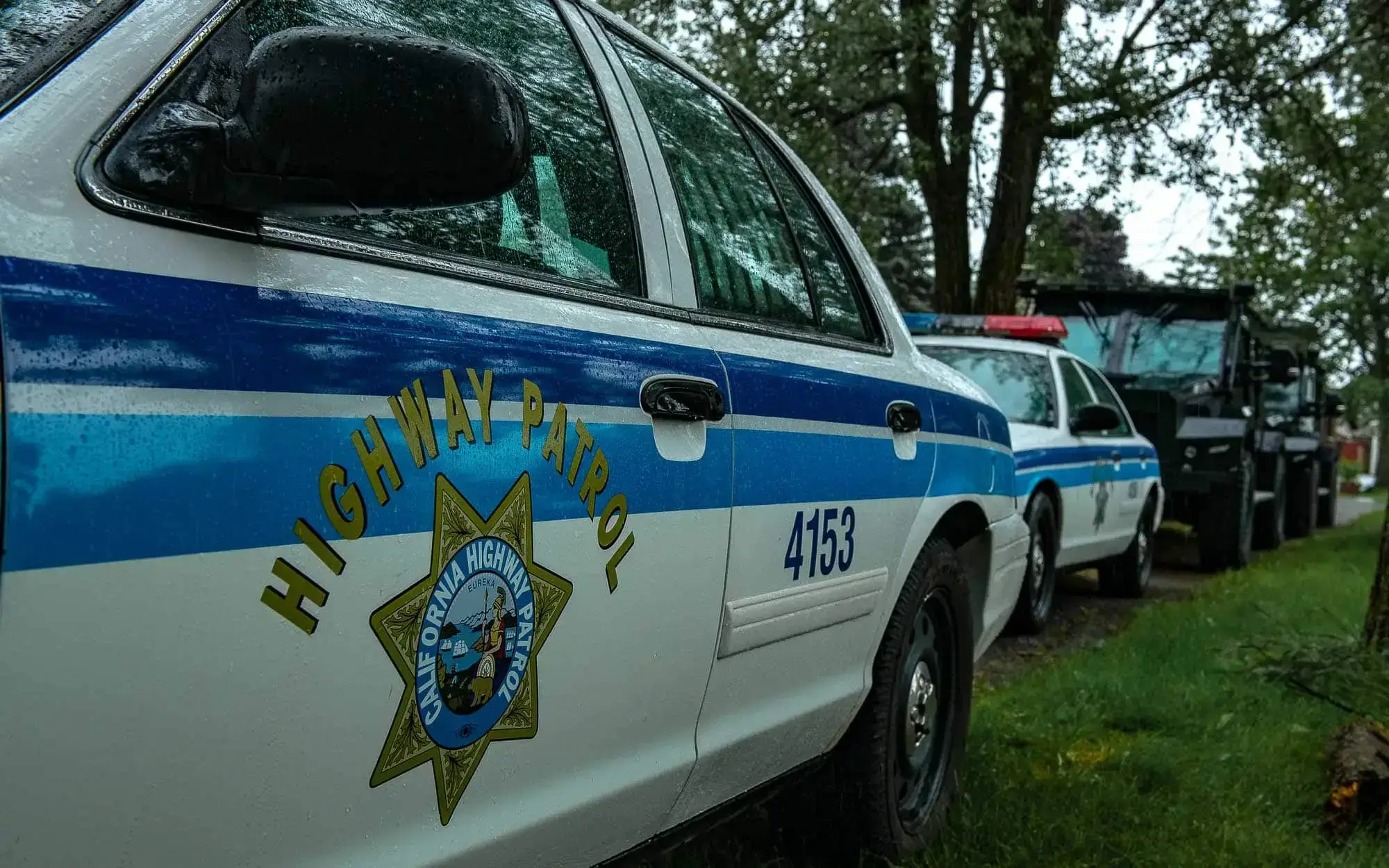
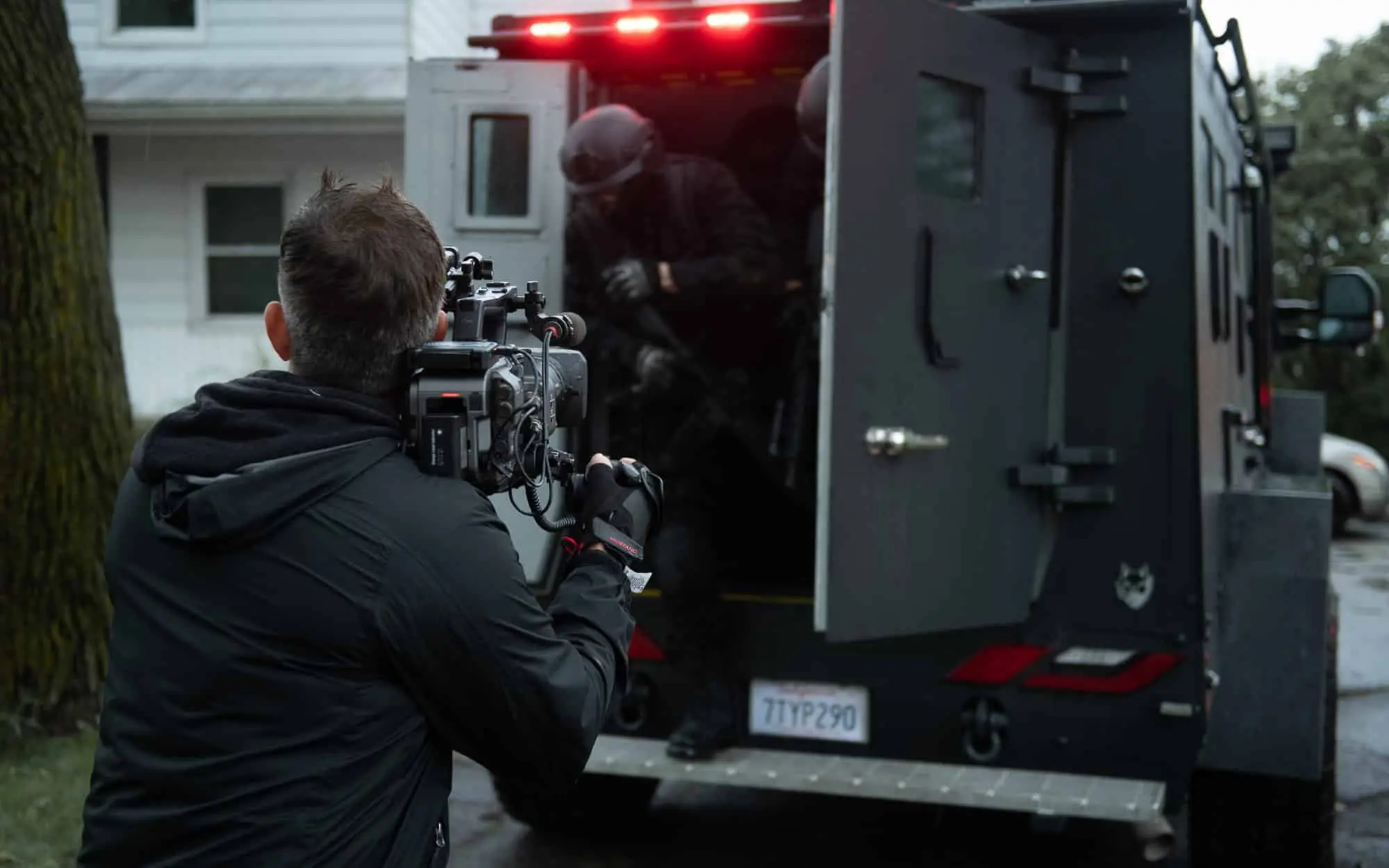
Full permits were secured, neighbours notified, and the city signed off. But the pressure was real: a single day to stage an armed raid sequence with SWAT trucks, police cars, extras, and a full camera unit.
Turning rain into story
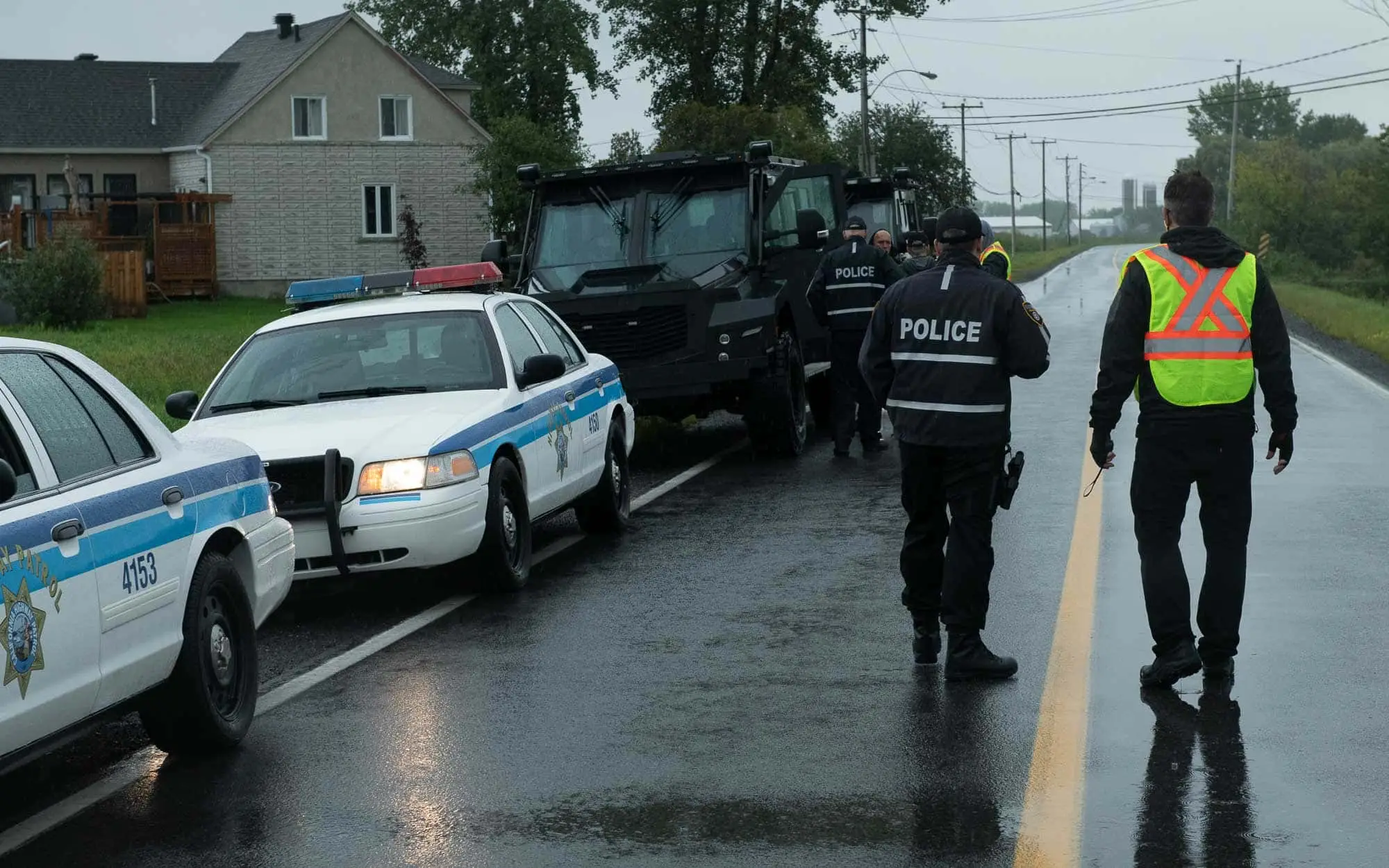
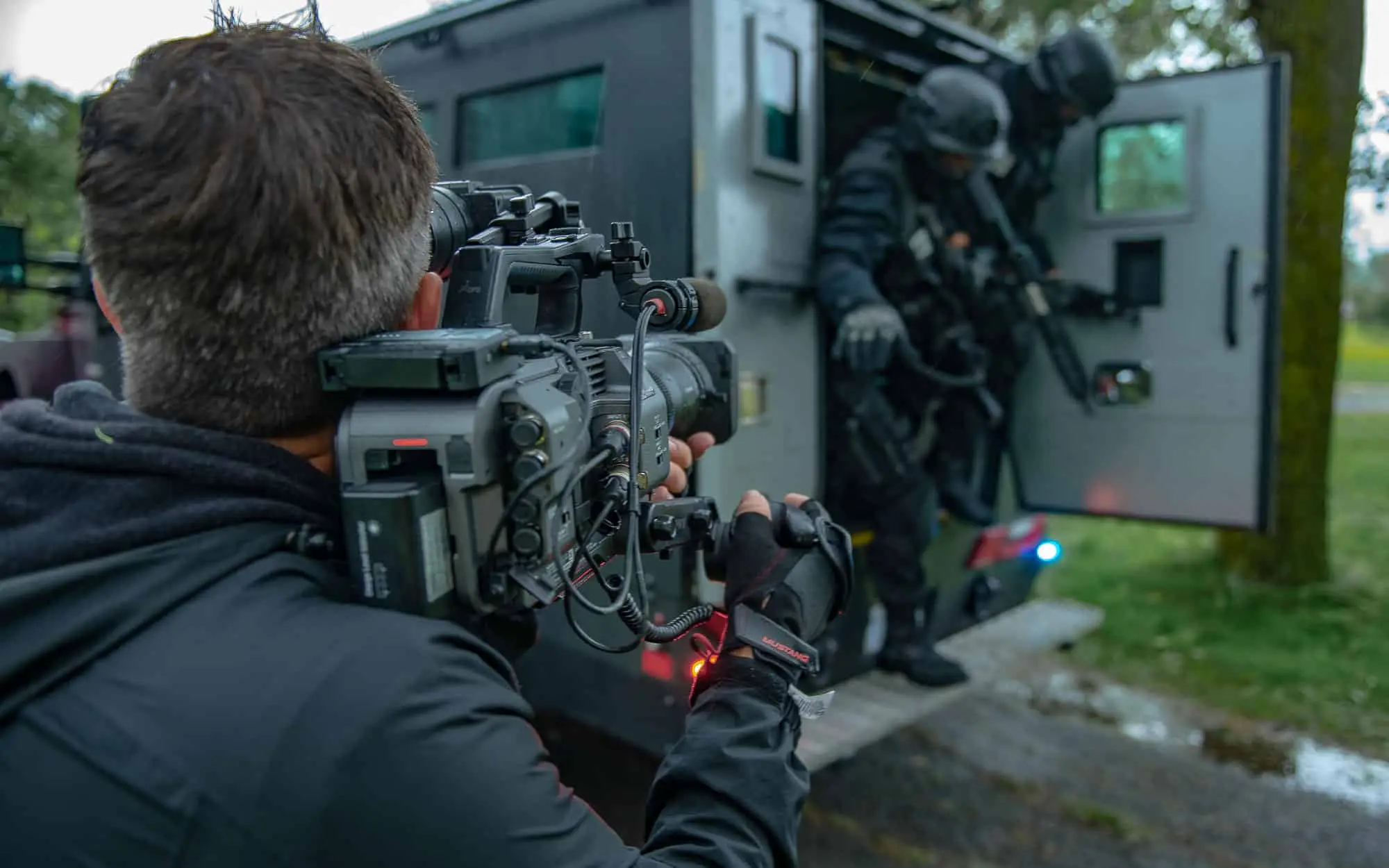
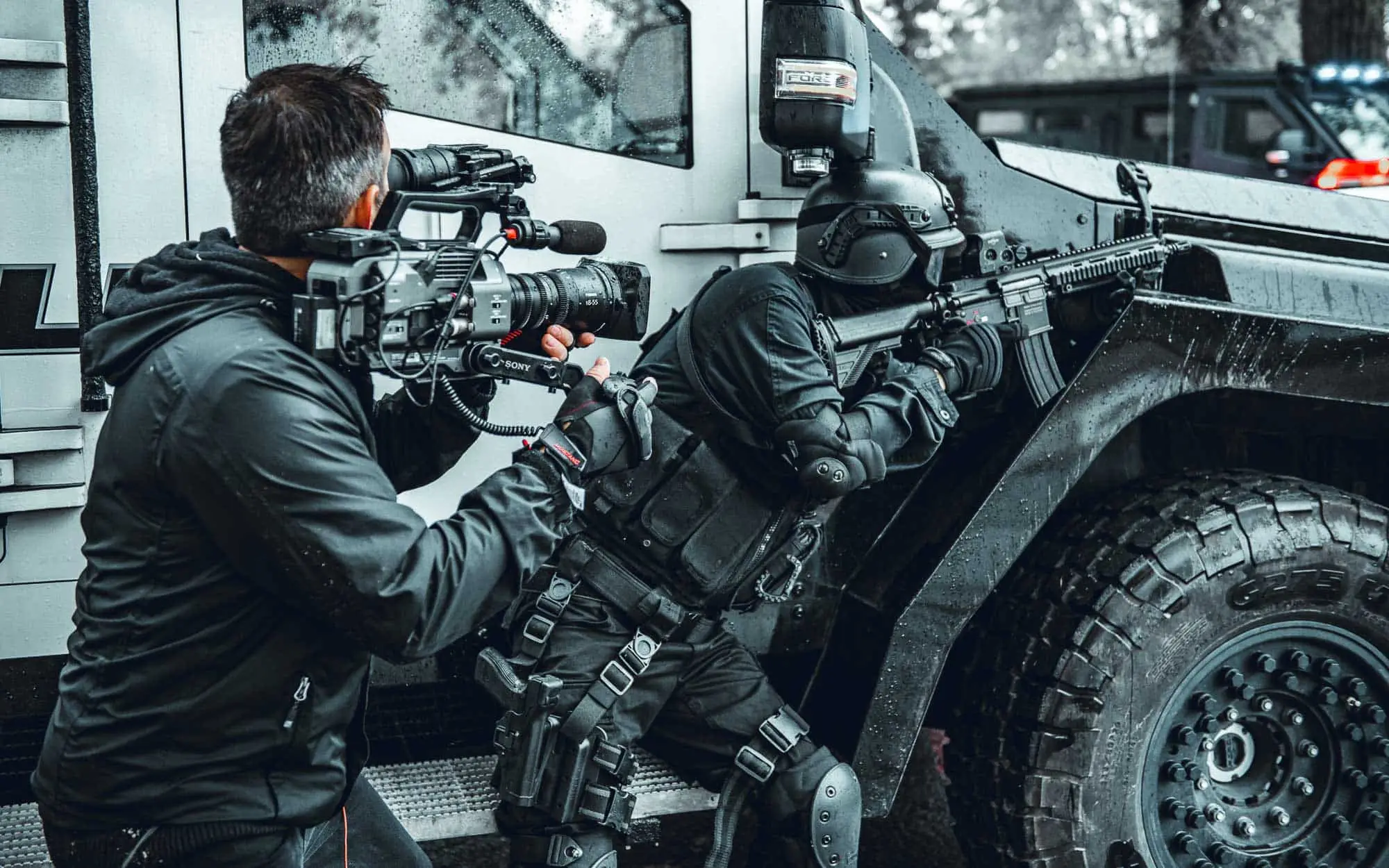
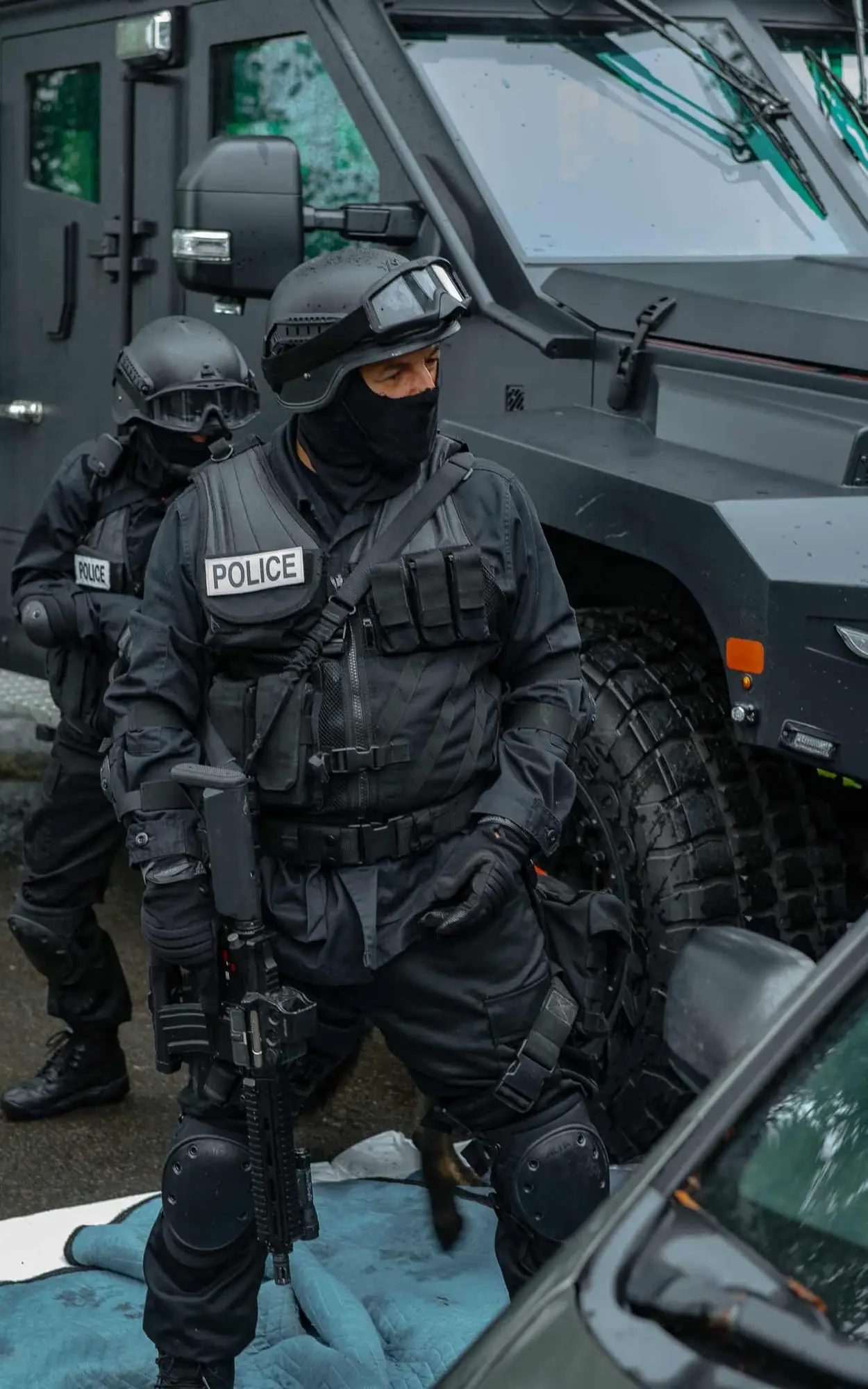
The weather could have ruined us. Instead, it gave us texture. Rain slicked the roads, added shine to tactical gear, and deepened shadows on the old wood siding of the house. As DOP, I knew this was an opportunity: wet-downs are expensive, but here nature gave us one for free.
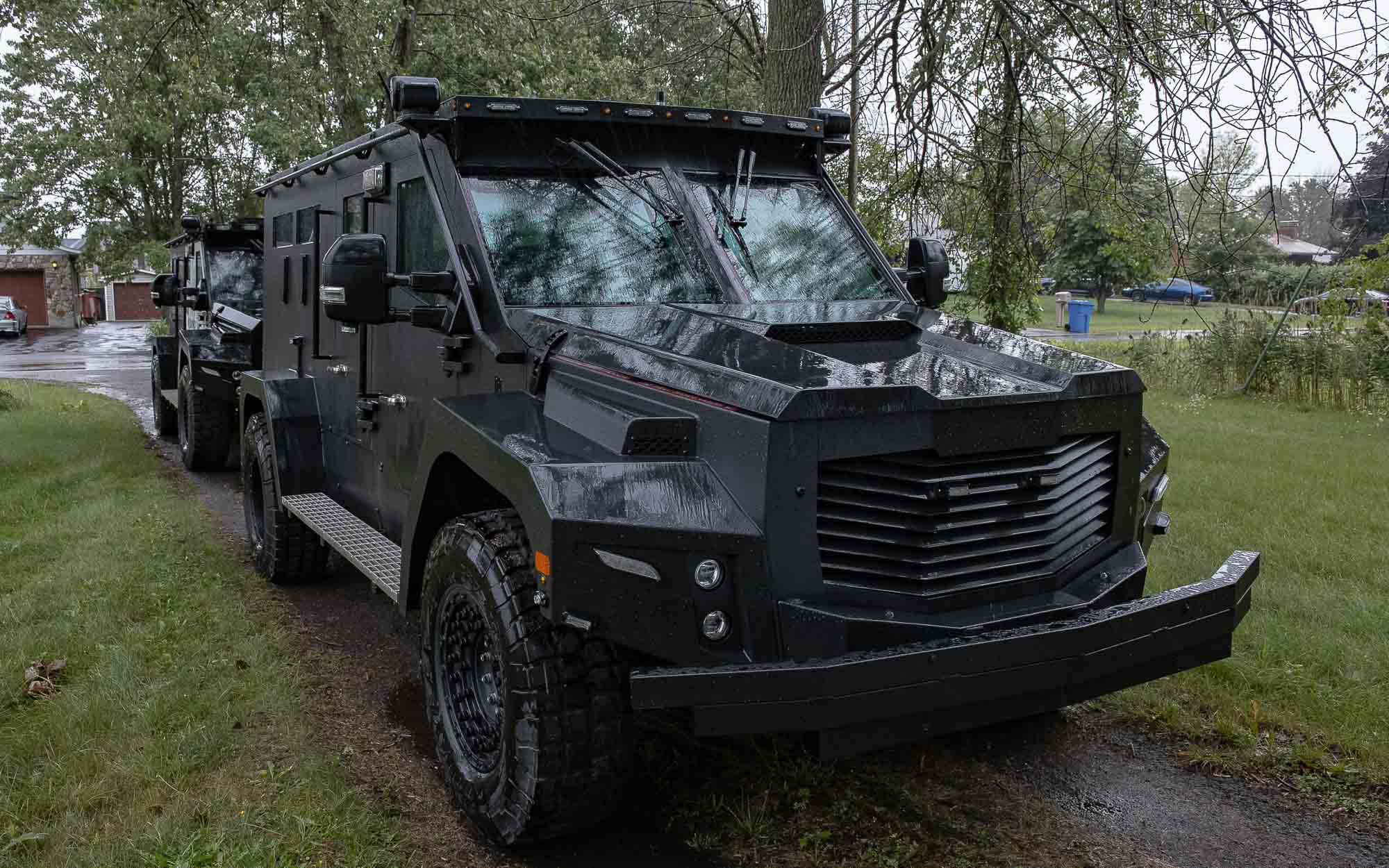
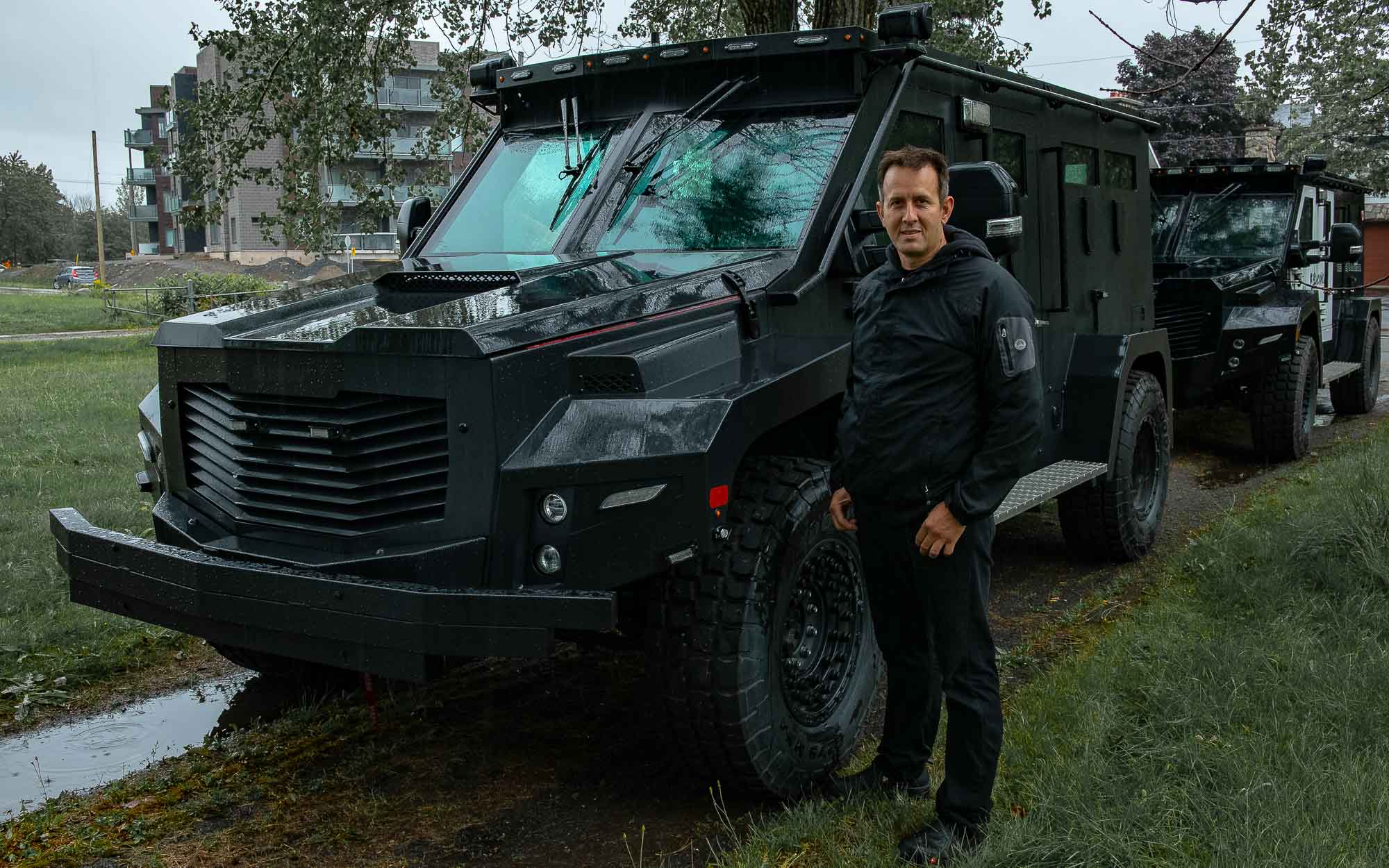
Between set-ups, we flew the drone for sweeping shots of the two SWAT trucks cutting through the soaked neighbourhood. Those aerials gave the story weight and a sense of foreboding. It’s a reminder of why Films.Solutions thrives in pressure: we adapt quickly and turn every challenge into a cinematic advantage.
Authenticity above all
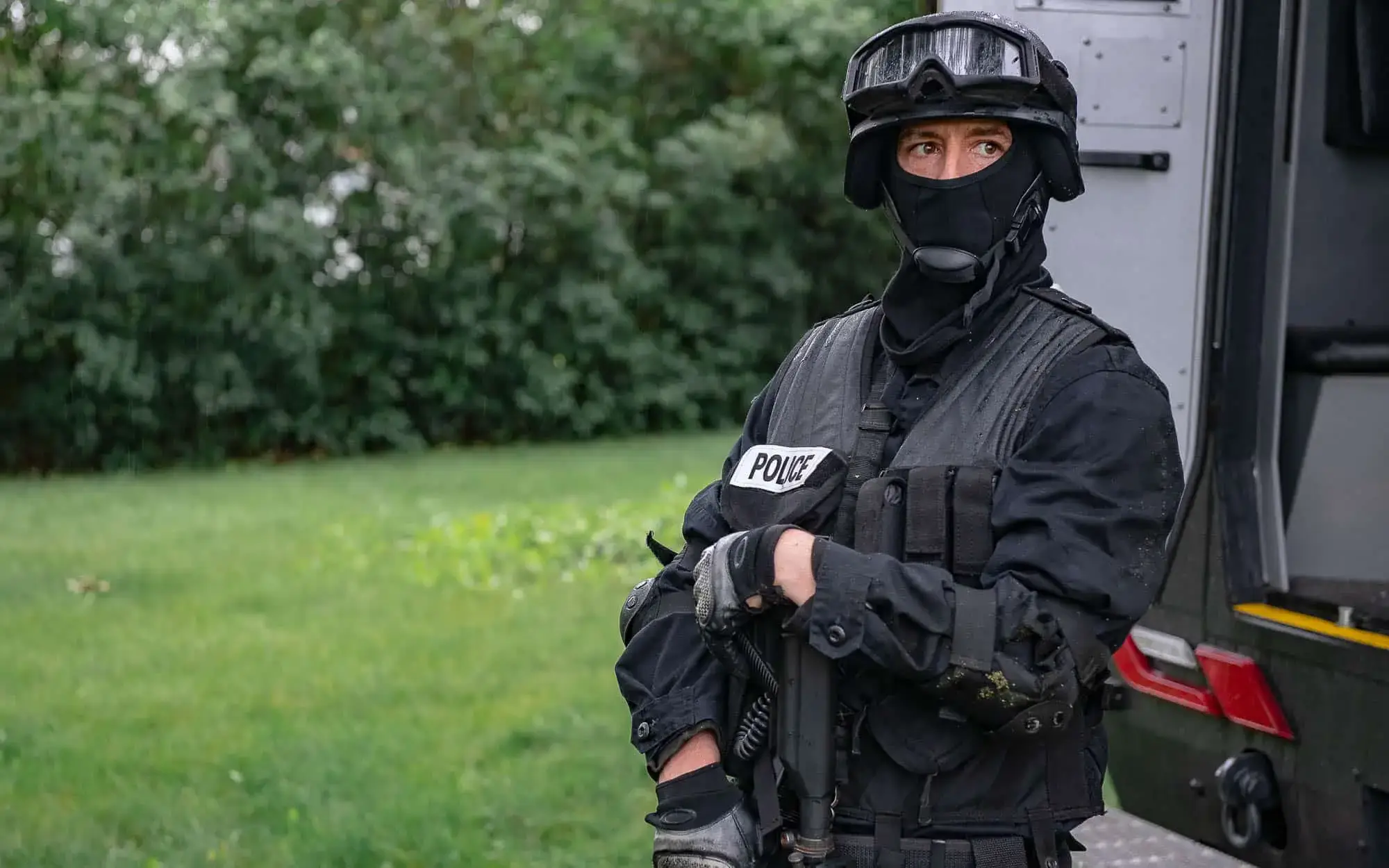
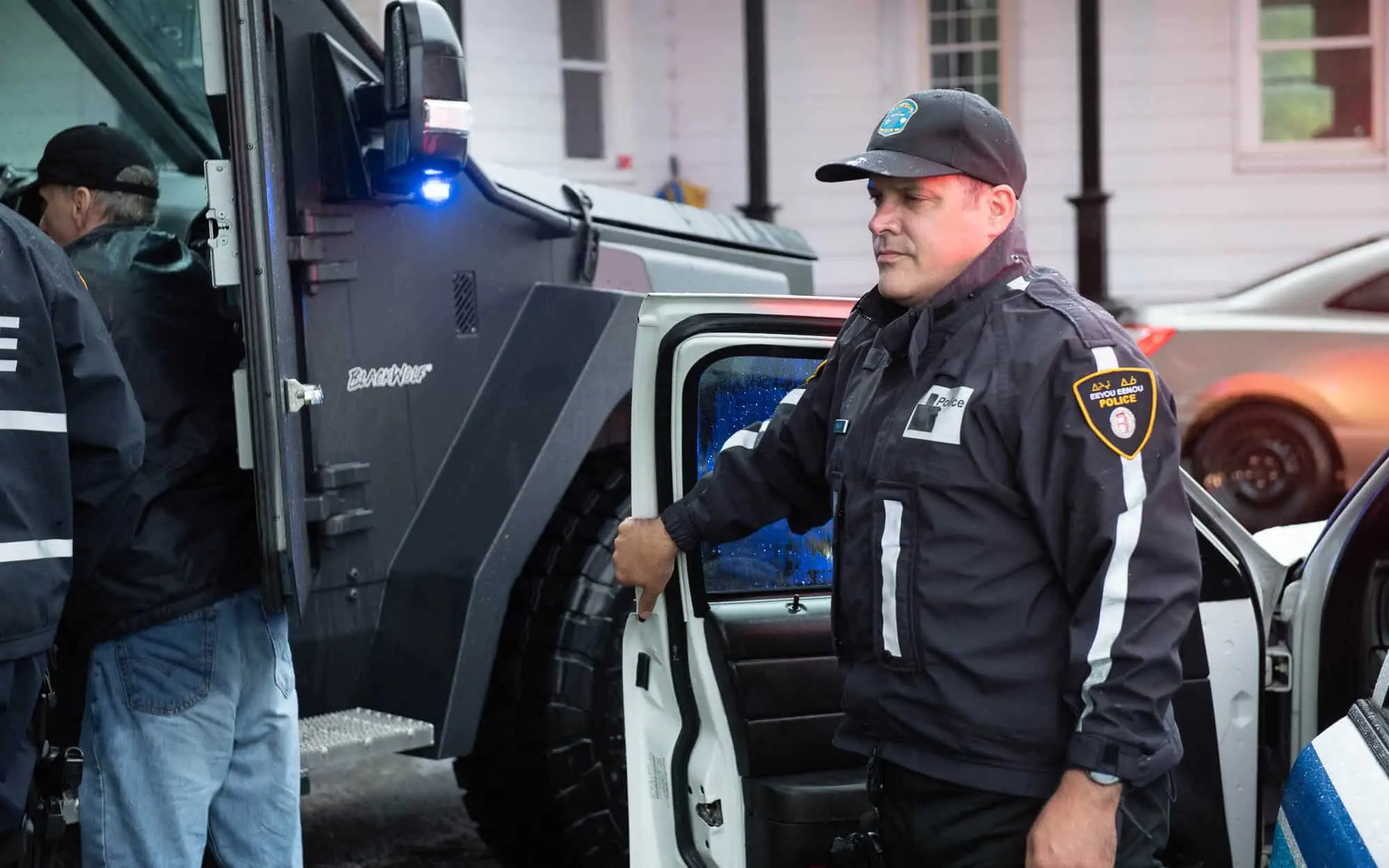
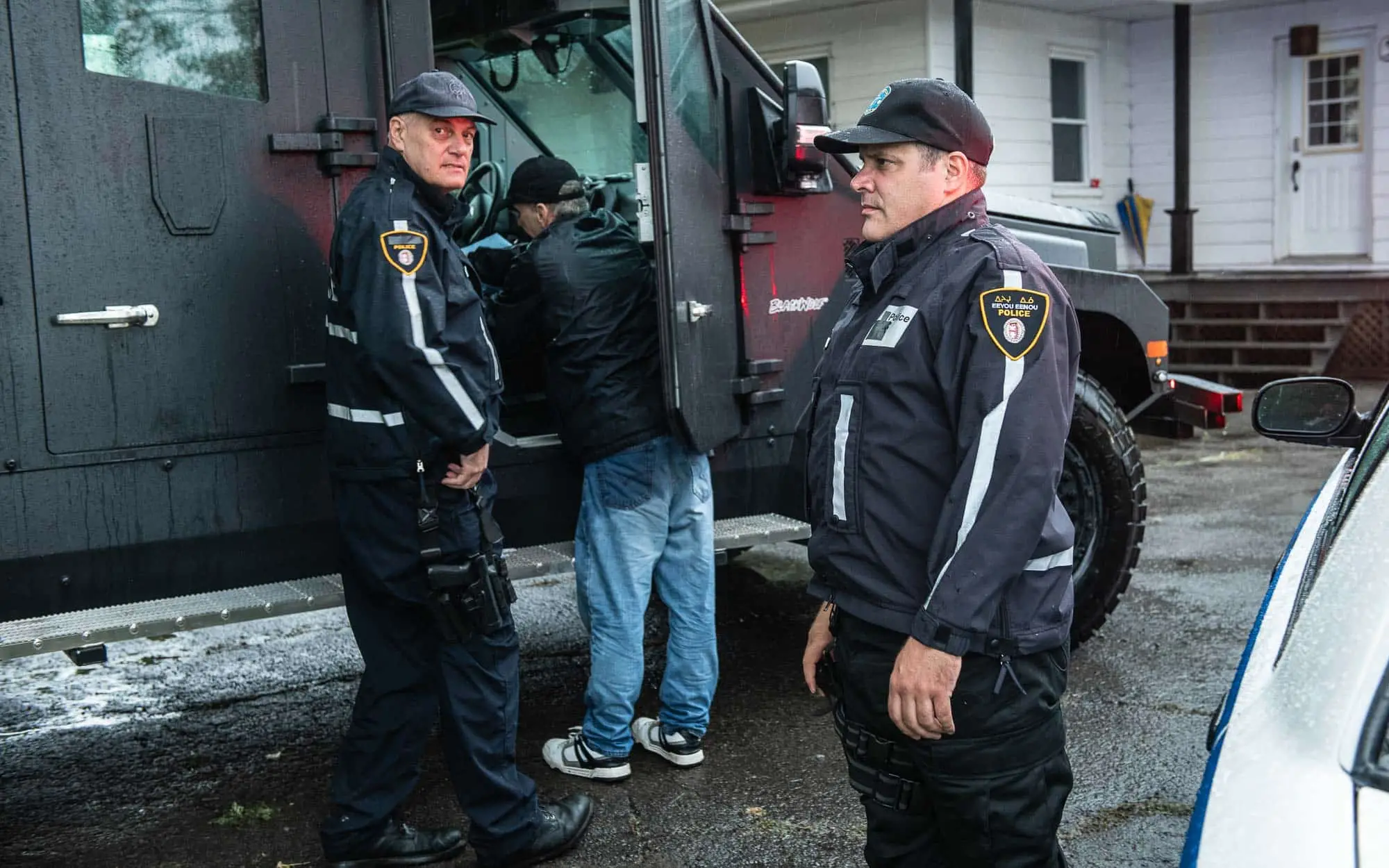
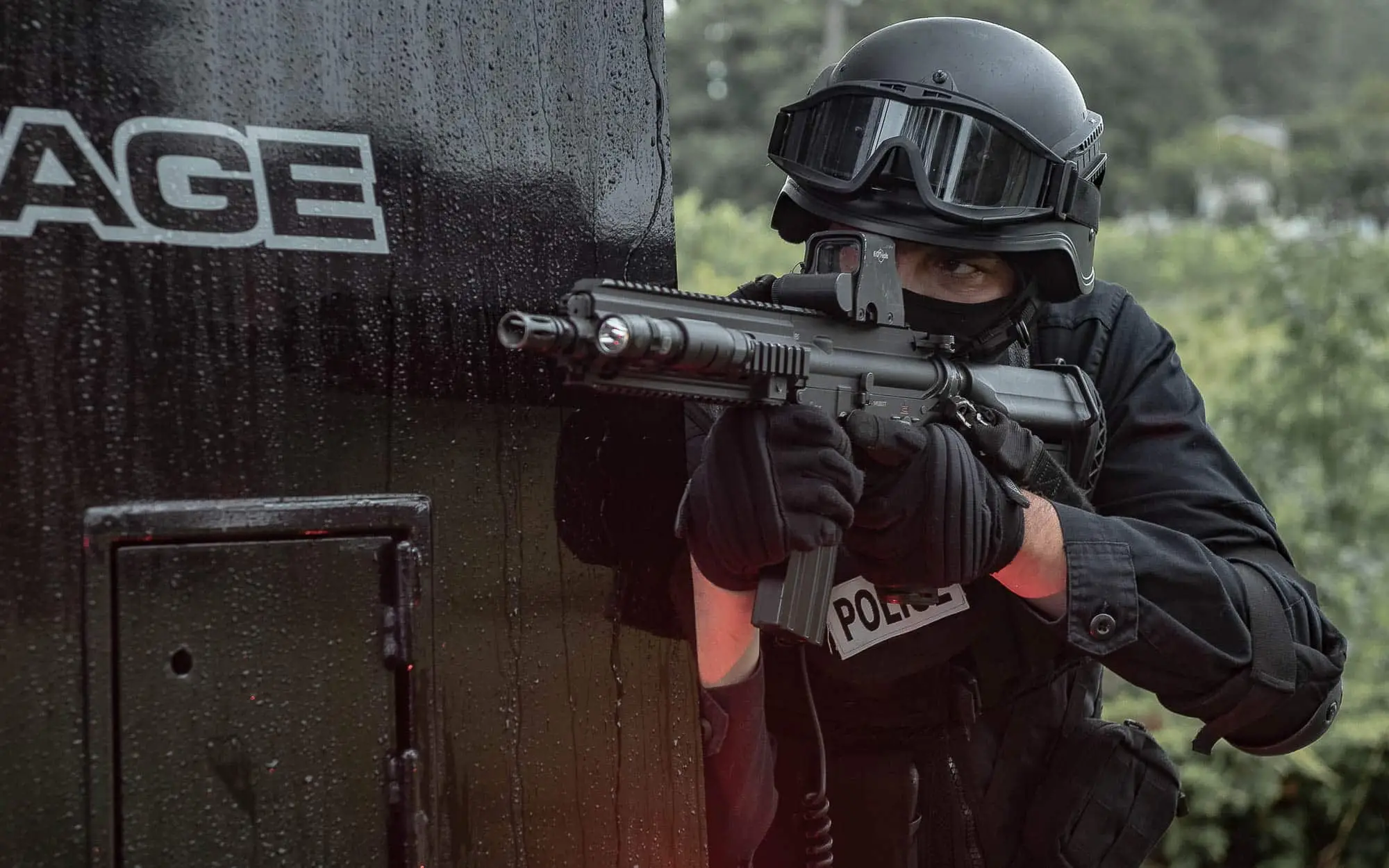
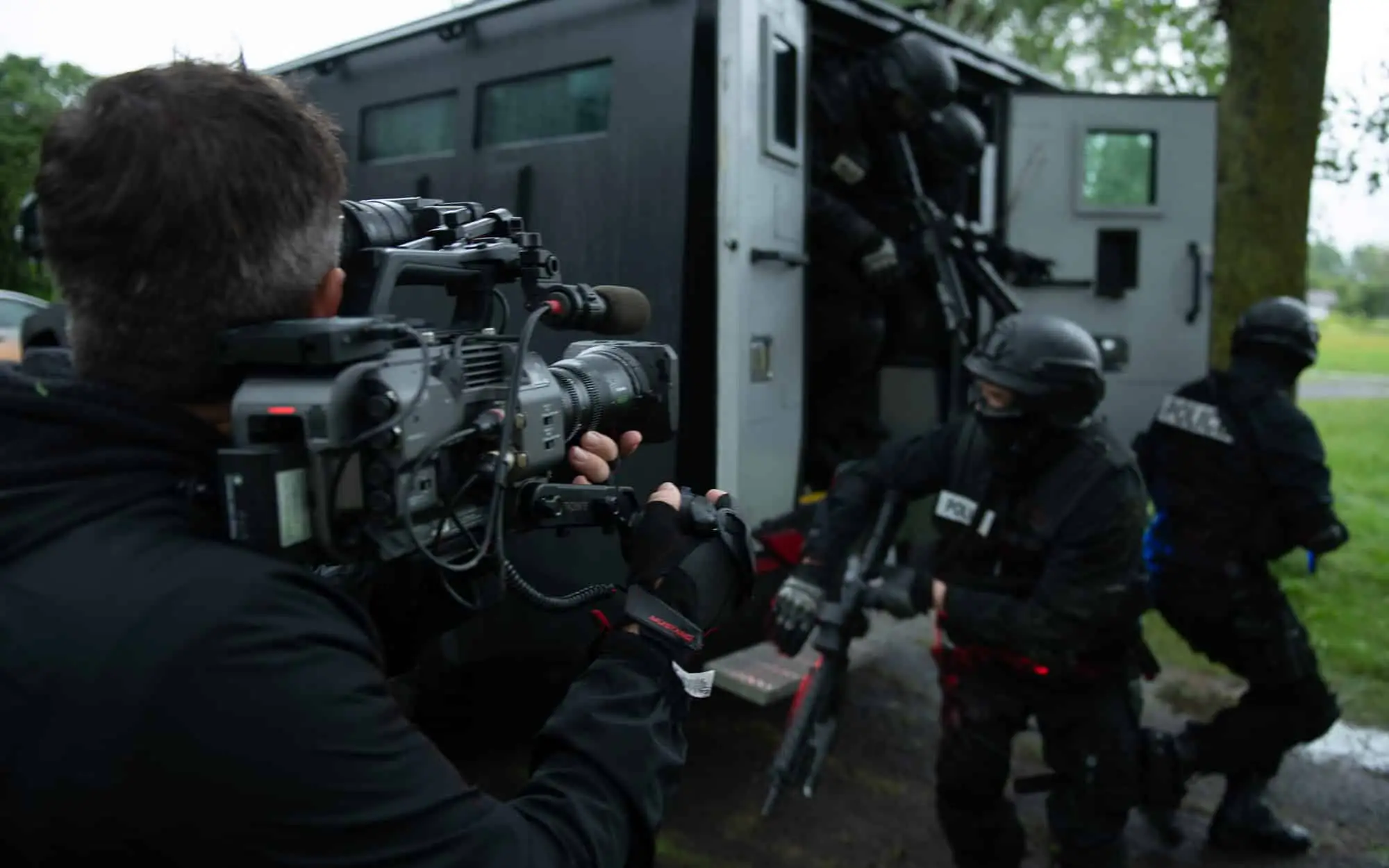
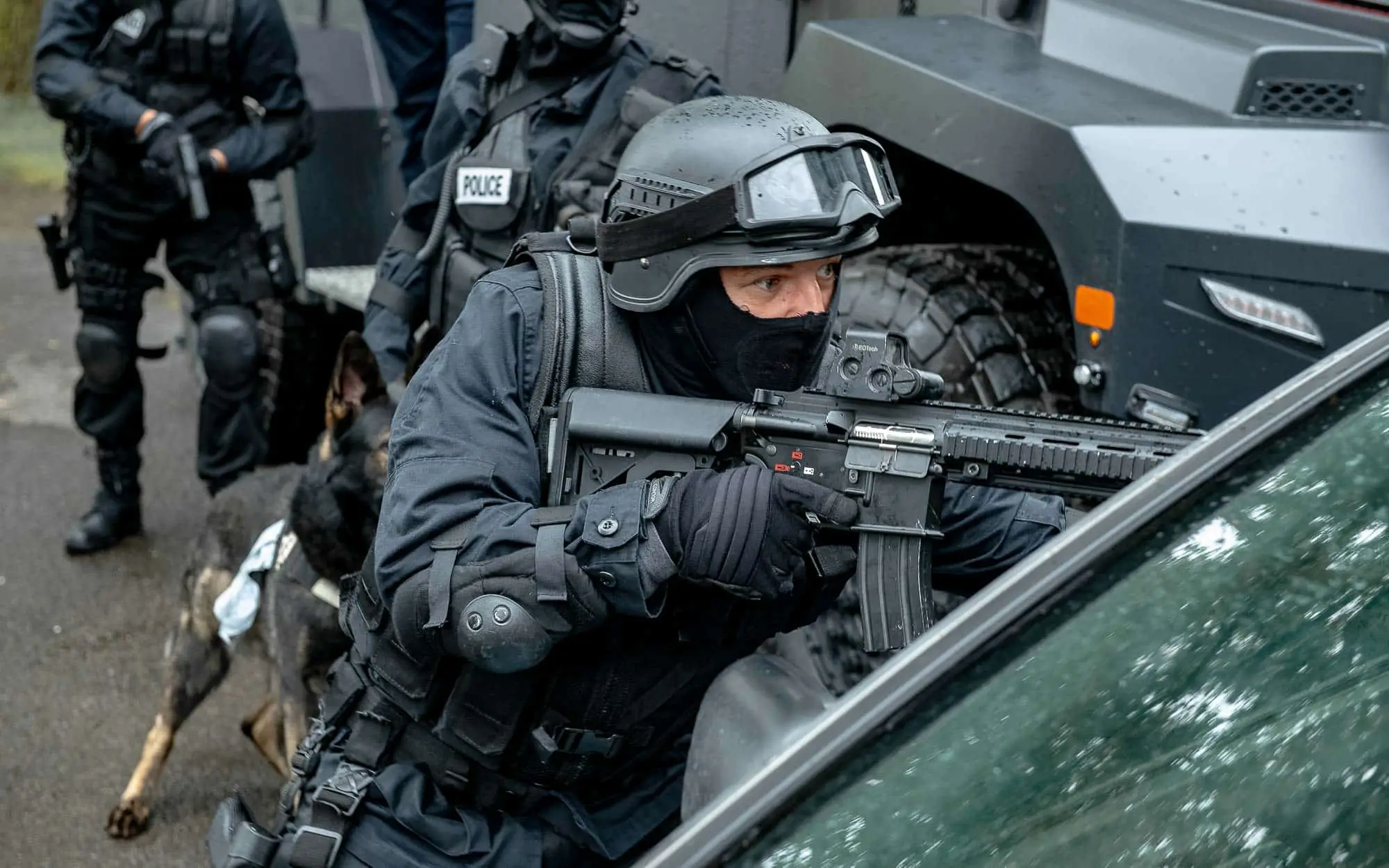
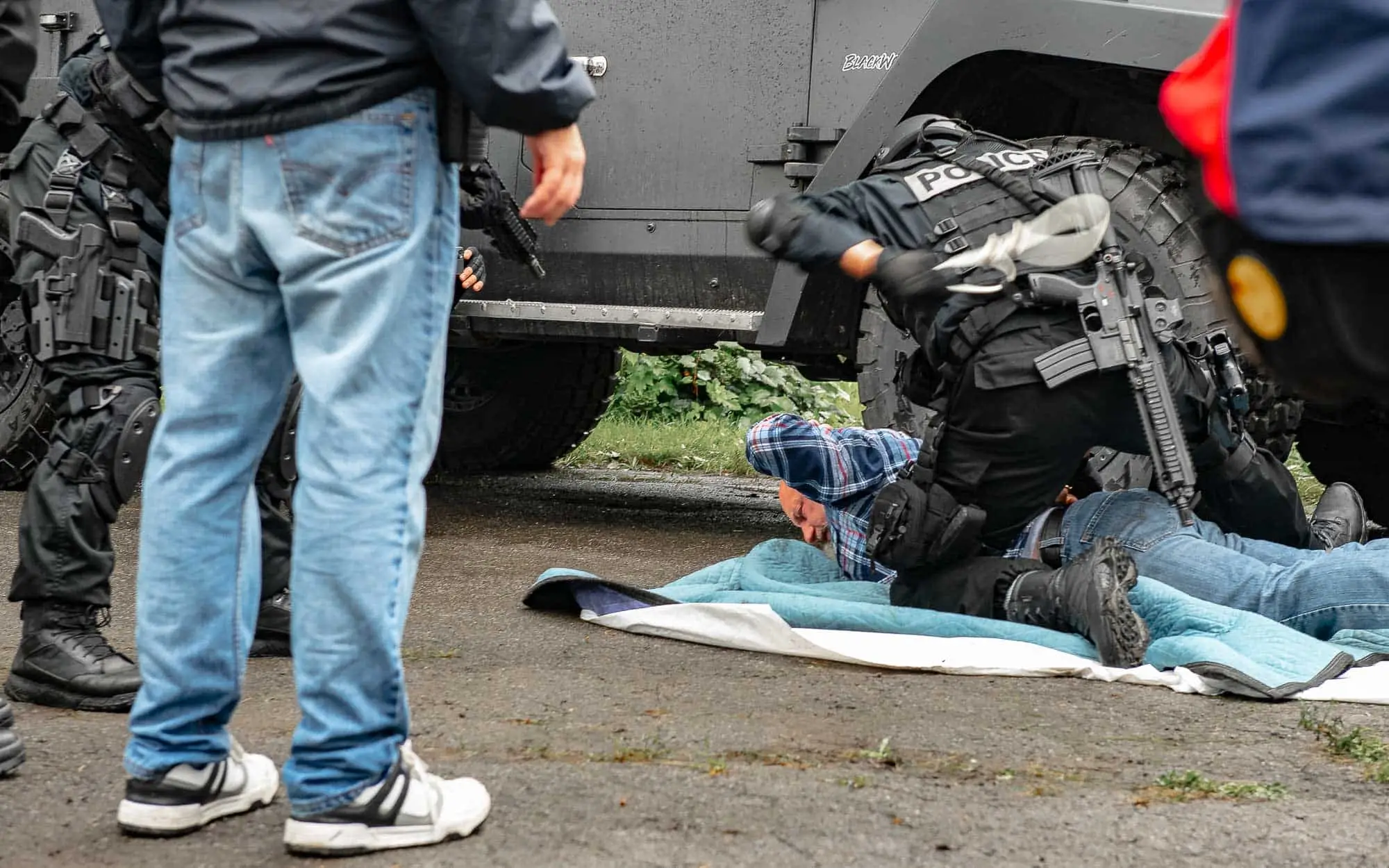
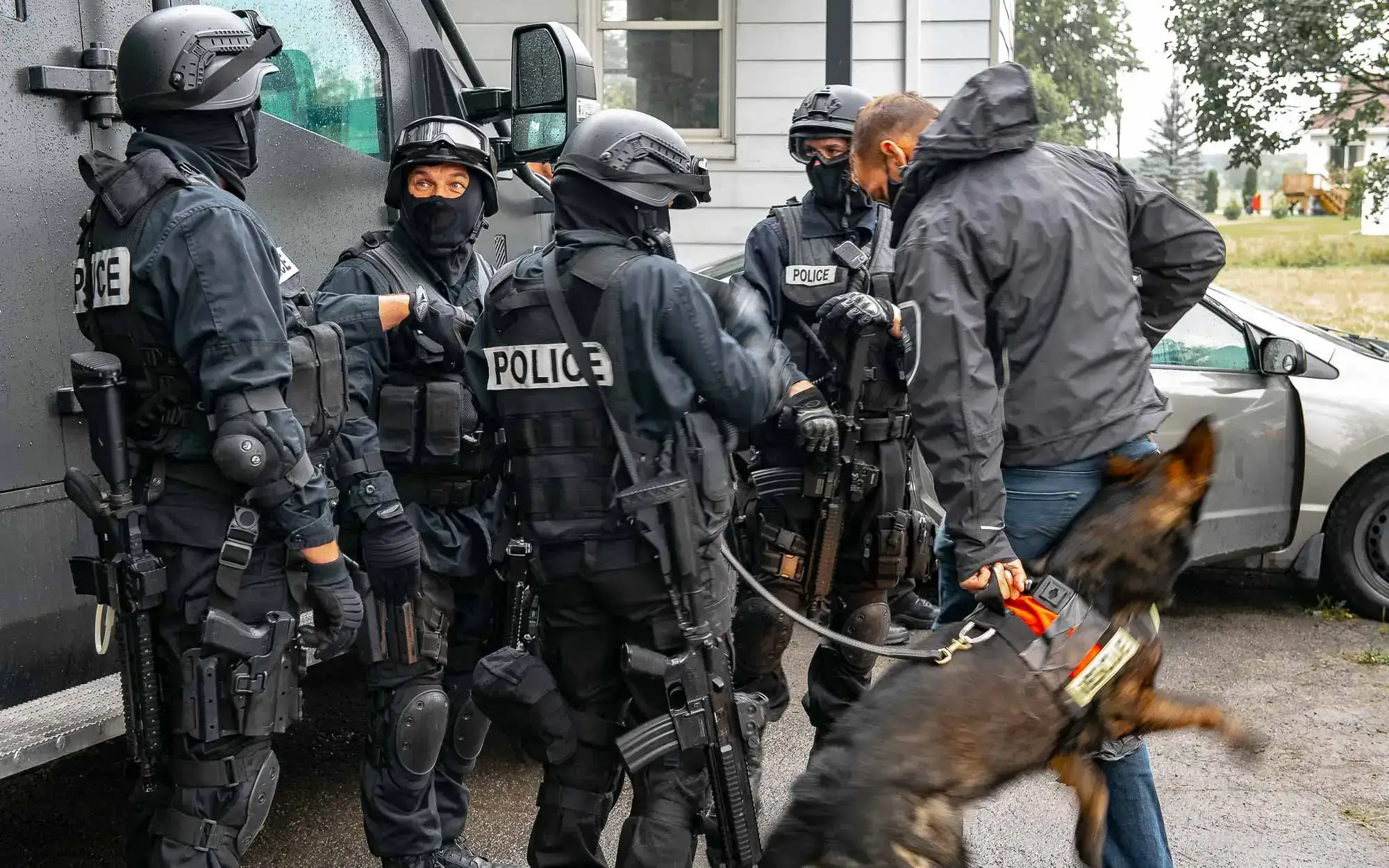
From day one, Stéphane insisted on realism. Authentic SWAT vehicles were rented from a South Shore supplier who builds them for real police forces across North America. Weapons were carefully managed: certified armorer-approved replicas for background, with authentic pieces used for camera-close moments.
Our rule: the closer the lens, the more real the gear must be. Ex-police extras stood near the camera to move naturally, while less-experienced performers filled out the background. One memorable moment: an extra mishandled a machine gun mid-scene. The action was otherwise excellent, but we cut it in post. That’s the balance—capture authenticity, but protect the integrity of the final cut.
Real officers, trained extras, and muscle memory
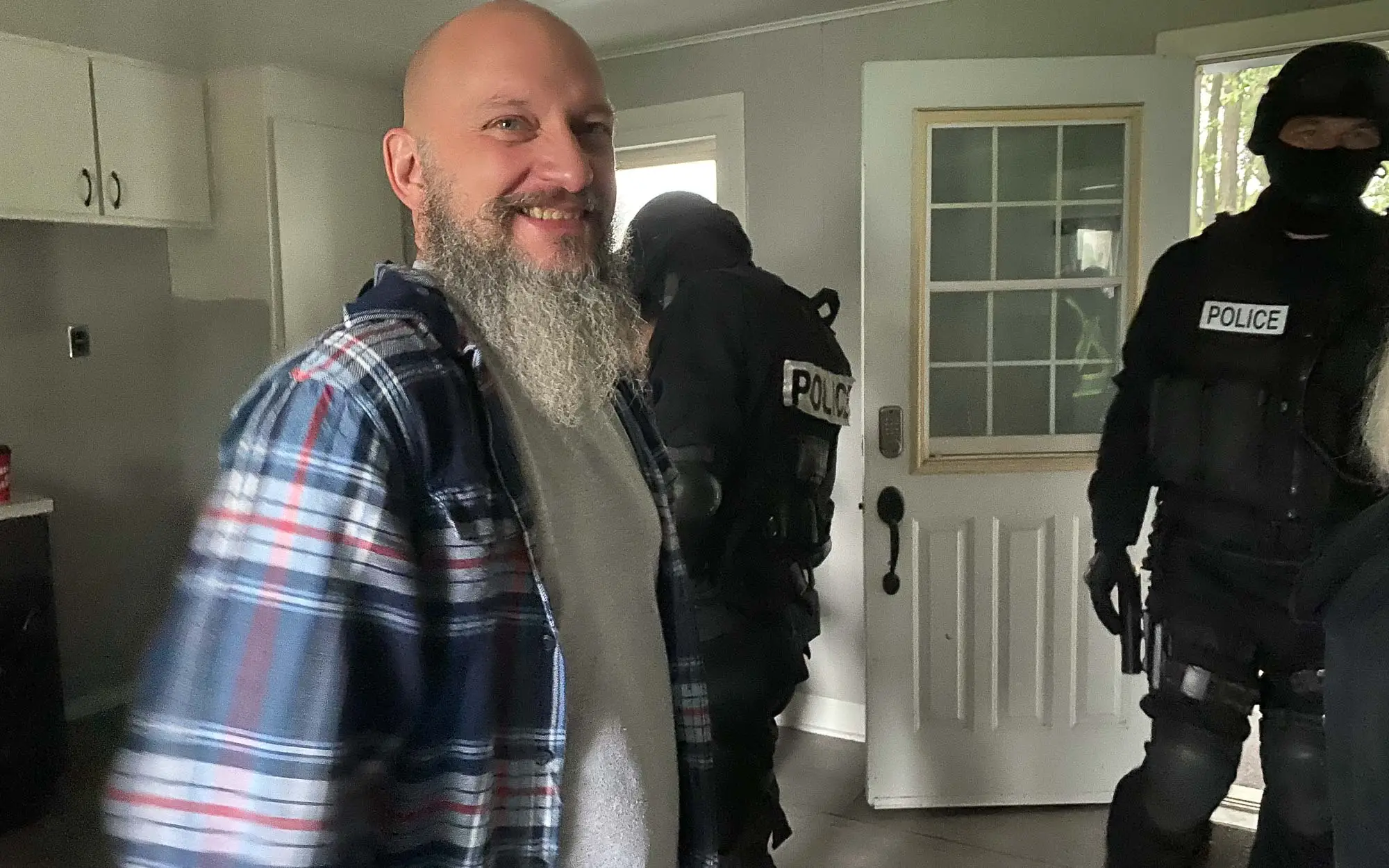
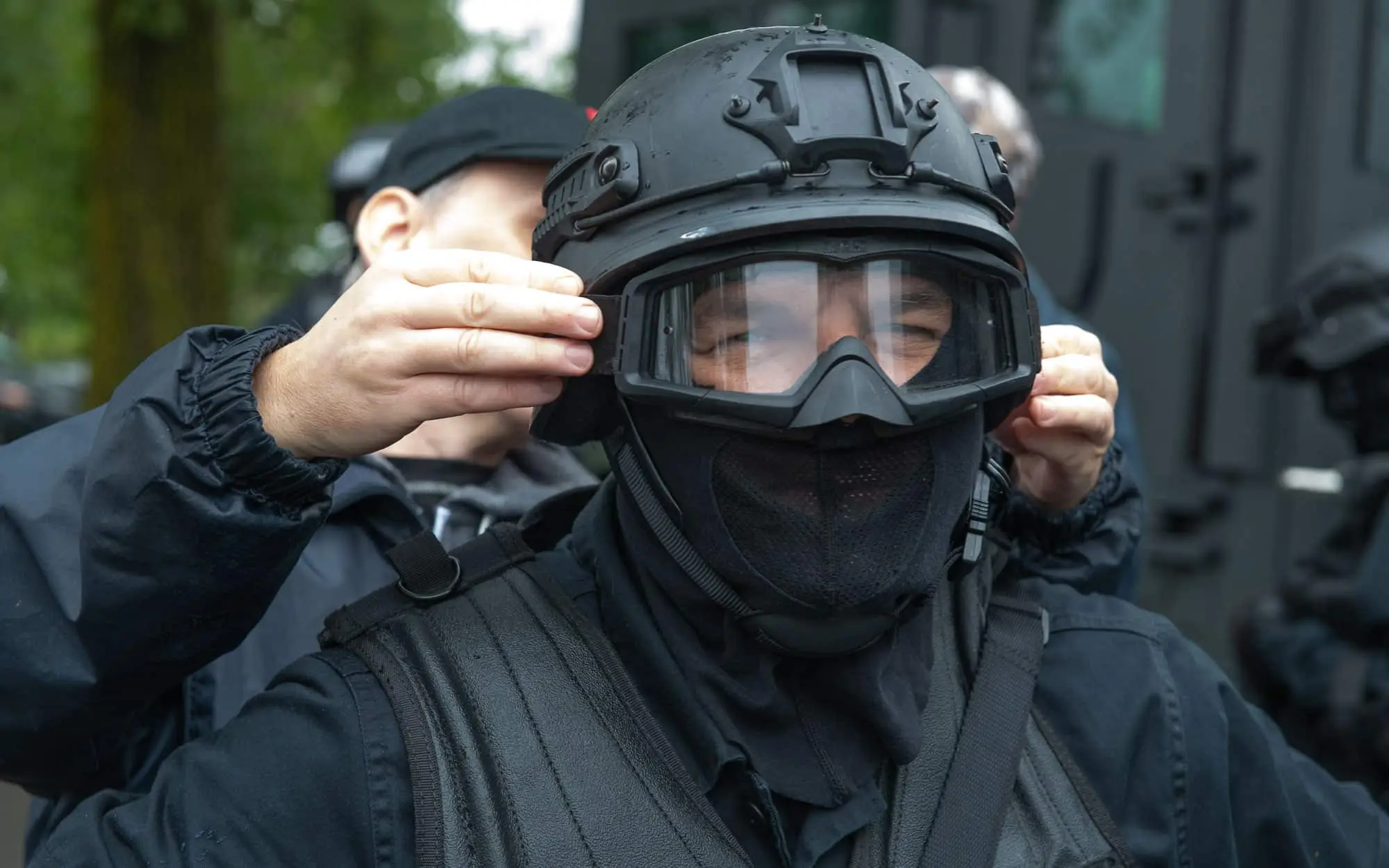
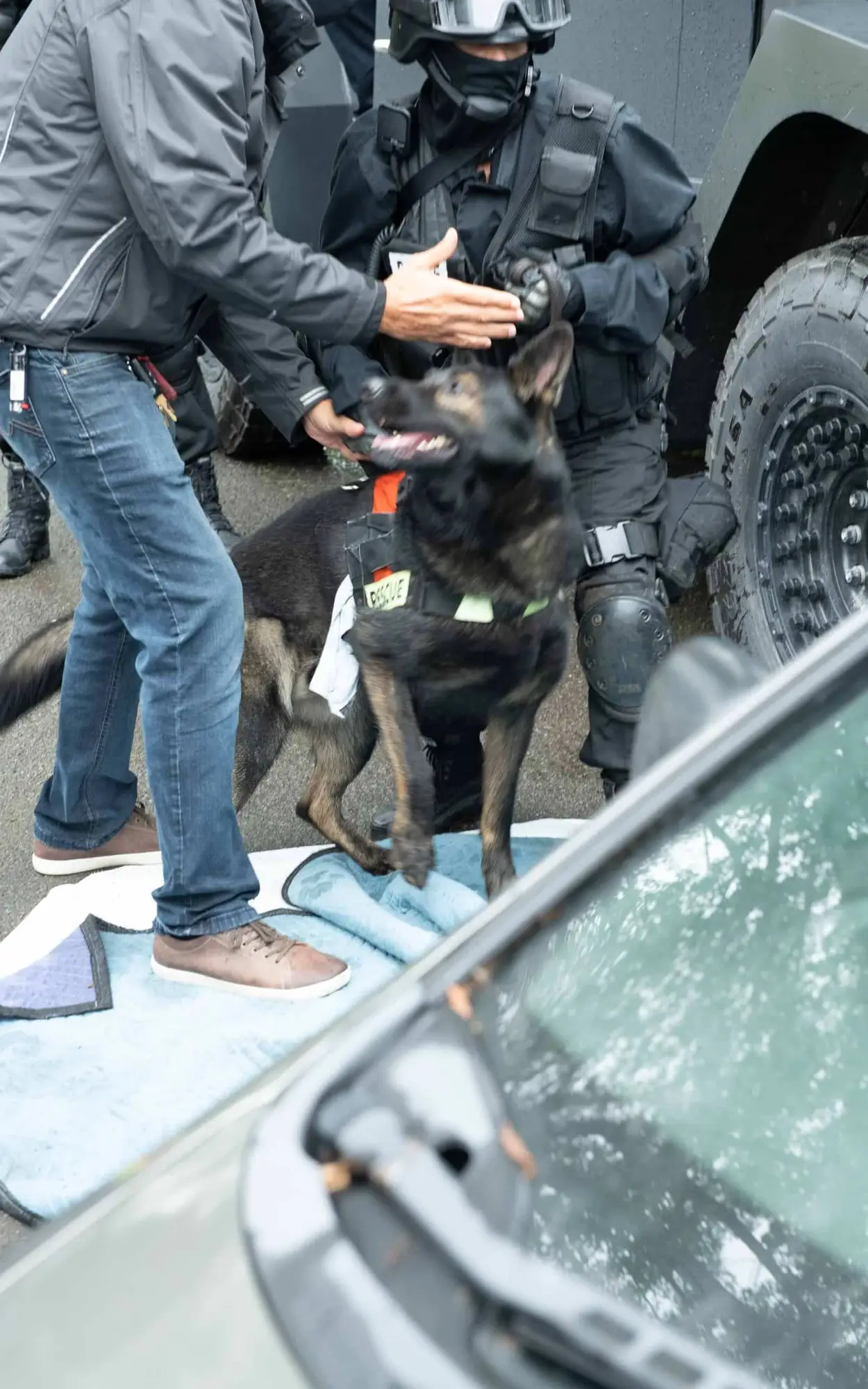
We brought in real officers and former police to guide and perform. Their natural stance, the way they cleared a room, even how they shouldered a rifle—these details can’t be faked. Extras and actors underwent training before the shoot, and that preparation paid off. The director could keep choreography minimal and rely on natural, believable motion.
This cut rehearsal time and gave us the spontaneous, raw moments Stéphane looks for. For producers, it proves the value of integrating subject-matter experts right into the cast.
The public reaction
Even with full permits and neighbourhood notices, the sight of armored trucks and officers in formation drew crowds. Some locals, and even a journalist, thought they were watching a real arrest. The tension was that convincing.
To keep the set safe, we hired professional security and set up a small public information post. The journalist eventually realized it was fiction, but he still ran a piece in his paper—an unplanned bonus for the production.
Logistics in motion
As Production Manager, my focus was synchronizing everything: SWAT truck arrivals, drone flights, actor training, and prop checks. Vendor trust was key. The rental company delivered vehicles in pristine working order, which meant less stress on set.
We planned contingency paths for every scene: if the drone couldn’t fly, we had dolly and handheld coverage mapped. The rain wasn’t in our call sheet, but we scheduled to use it anyway.
Cinematography choices
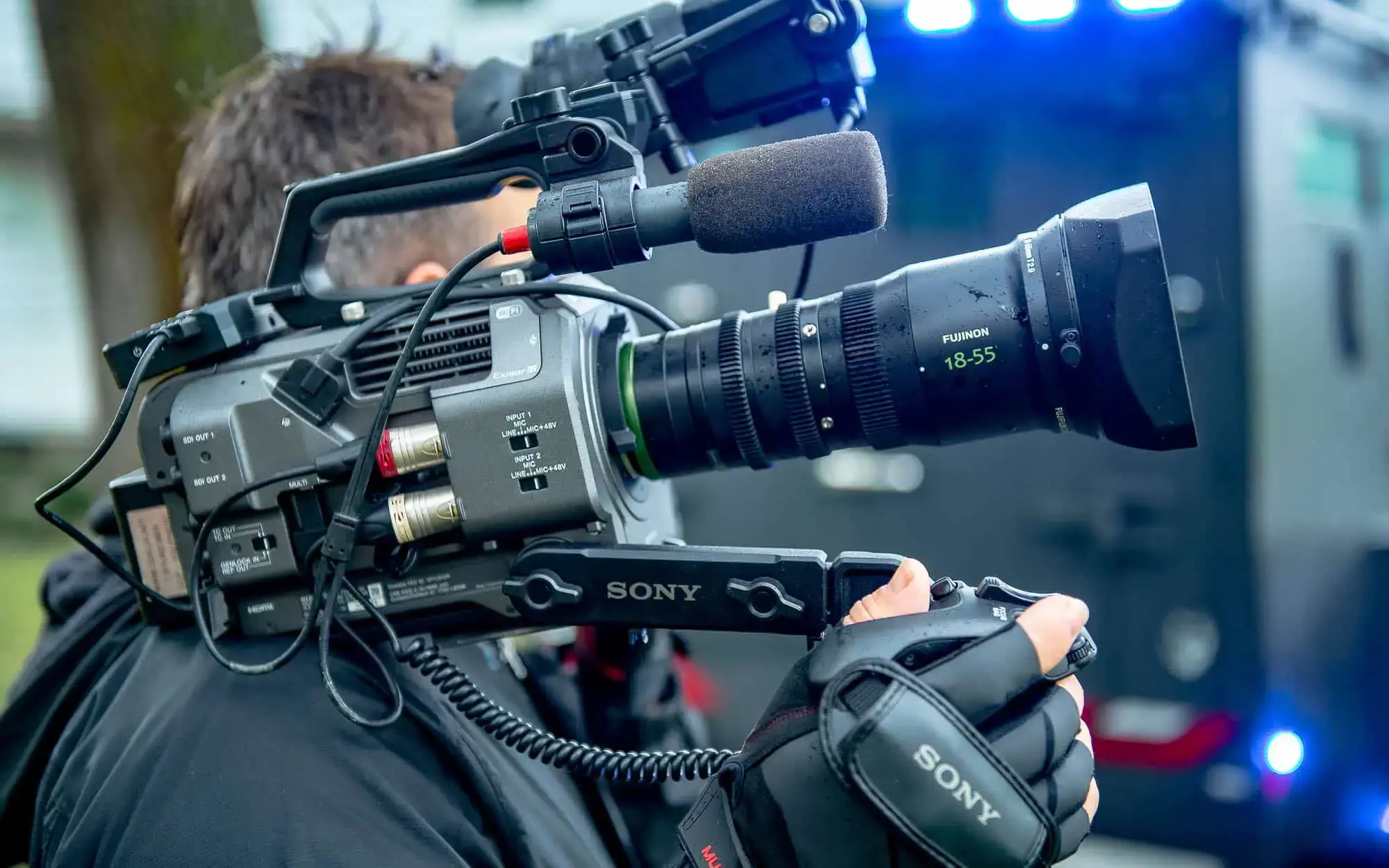
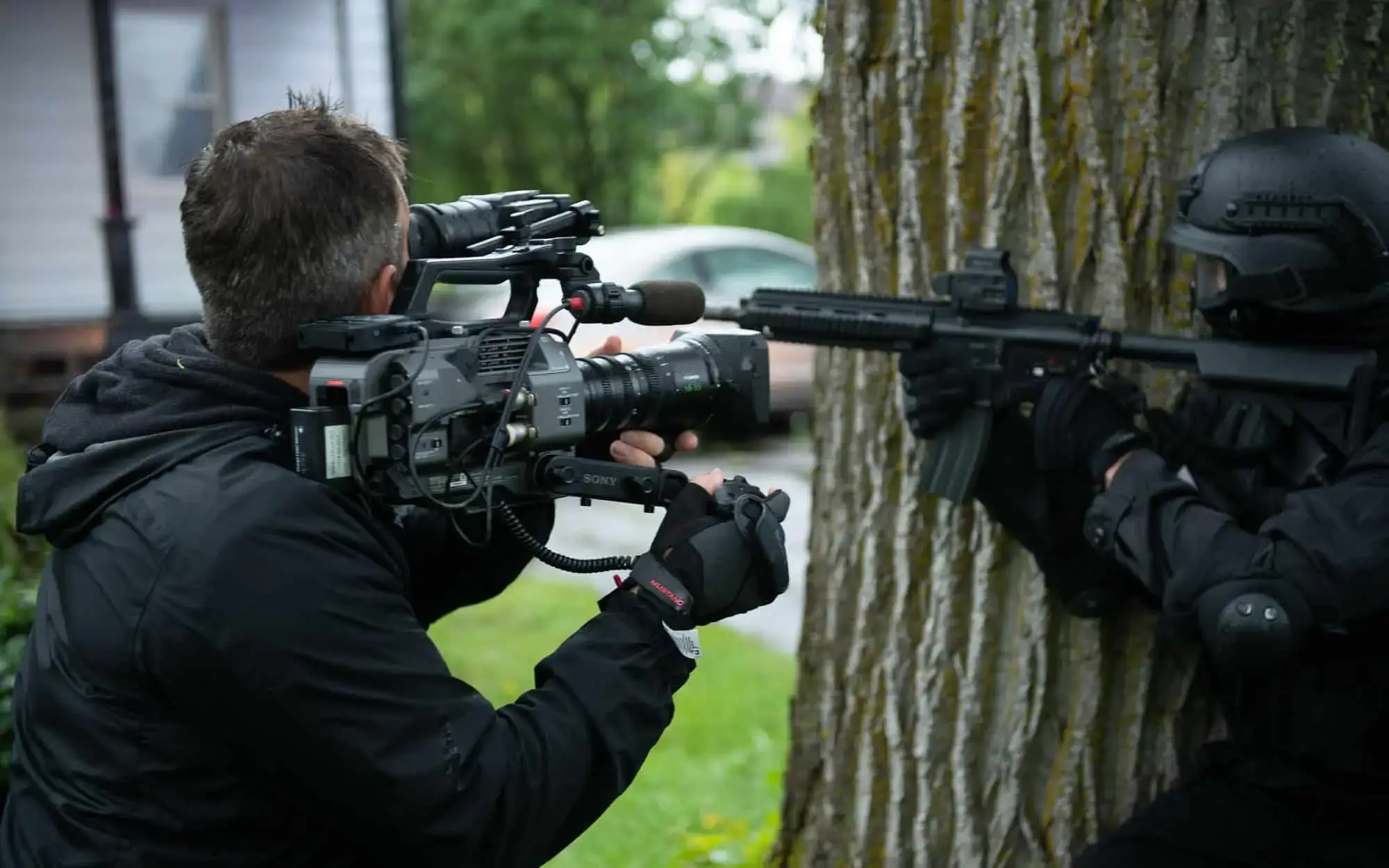
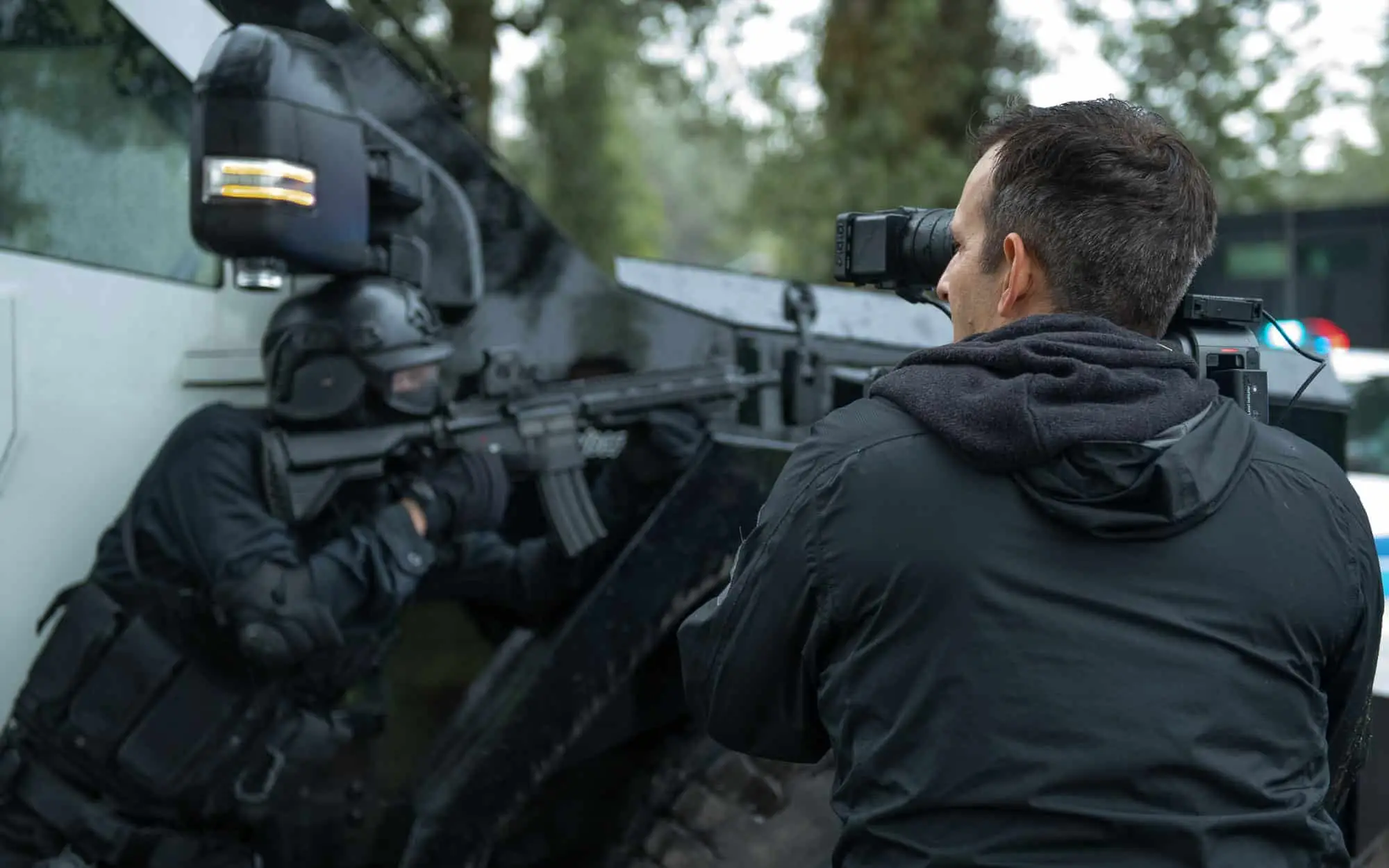
Rain has its own light. We used primes for shallow close-ups, anamorphic lenses for wider sweeps, and relied on streetlamps, headlights, and reflections as natural fill. The handheld camera kept the action tight and visceral; the drone and stabilized rigs added scope. The combination gave us grit and cinematic scale.
Based on real events
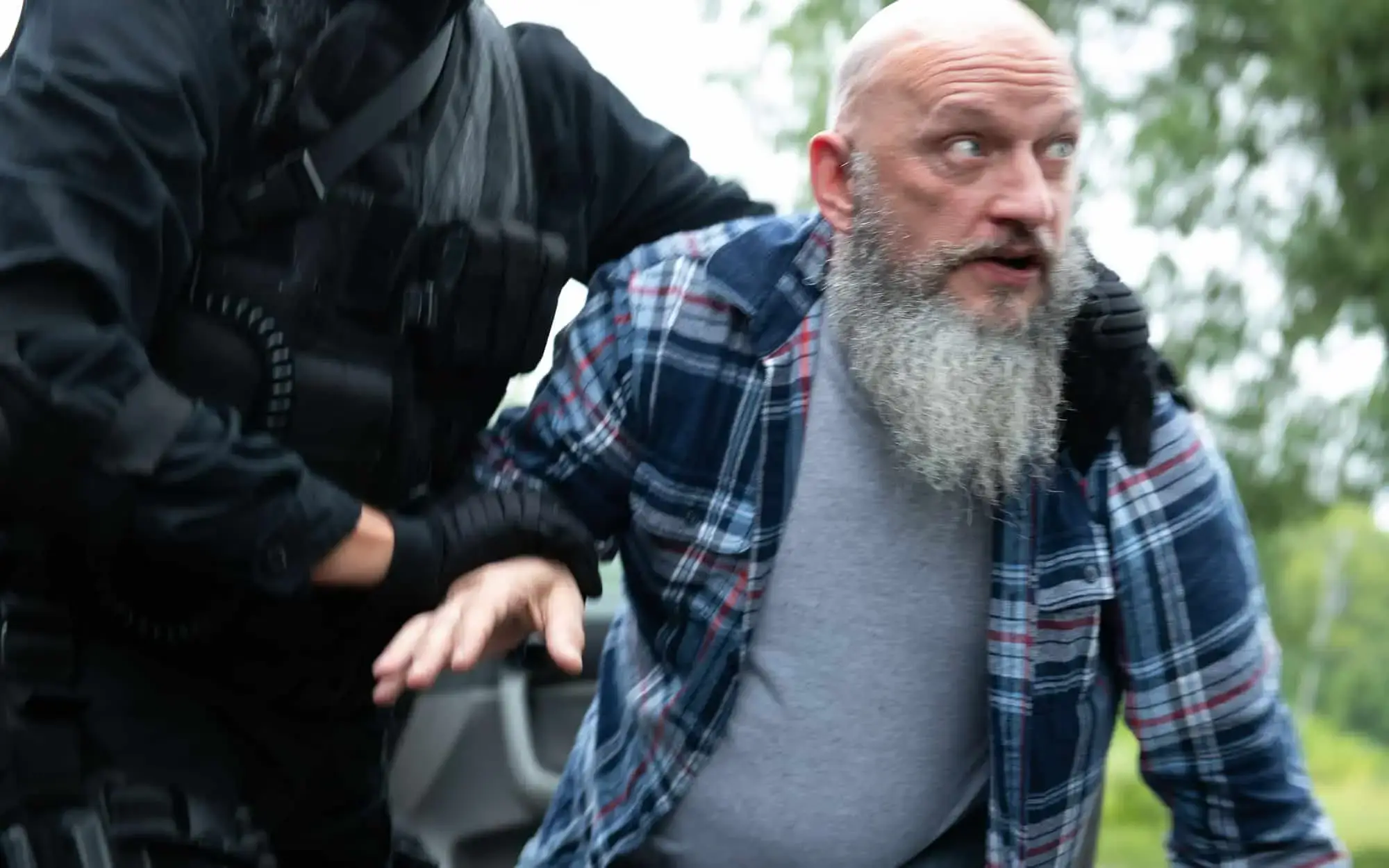
The film was inspired by a real Canadian murder case and fugitive capture in the United States. While details remain confidential, the production leaned heavily on police documents, news footage, and photographic archives to anchor its authenticity. That foundation meant our audience would feel the weight of reality without needing names.
What producers can learn
Constraints can be creative fuel — rain, demolition deadlines, one-take thinking.
Layer authenticity — real gear in focus, safe replicas behind.
Integrate professionals — ex-police as extras reduce training needs and raise believability.
Prepare for the unexpected — drones, vehicles, and weather can be assets if your team knows how to pivot.
The Fugitive was a day where production and creativity fused under real pressure. As both DOP and Production Manager, I had to see light, logistics, and human energy all at once. For producers and directors seeking a Canadian partner who thrives under pressure, Films.Solutions is ready.